Showing posts with label #amwriting. Show all posts

Wednesday, August 29, 2018

5 Tips for Surviving the Summer

As summer ends we usually find that we've gotten a lot less done than we anticipated.  Often we set unrealistic goals about writing all through the summer vacation or carrying out all that fantastic research and now we're ready to write. In the meantime the project sits there and gathers dust, but it doesn't get started, much less finished.  So now, the summer is ending. What can you do to get yourself going again. The fall rush will soon be started, with the resumption of school and all those other small things that didn't get done still need doing.

And your writing project?  Again, it sits there.

What can you do to get going again? Well, with the kids back in school it might be time to set your new fall schedule too.

1. Set aside a writing time.  With schedules being re-done, why not try to set up your own writing time too. Try writing in the morning. Either do it once the kids are off to school  or try that final hour before having to go pick them up.

2. Go the library and do your research. With the kids back in school some of the busy time at the local library might be less busy and that could  mean a quieter time and less traffic at the library. If there is research you've been wanting to do, this might be the perfect time to to it.

3. Visit the local book store. Reading a new fiction novel might be just the thing to get your own writing ideas flowing again. Finding the latest release by your favorite author might also be a good way to get your own writing groove back.

4. Look for a critique group. Again, with the kids back in school, there might be other writers in your area looking to start a new group or for new members of an existing group. With the change in the season and in schedules some people might be falling out so the groups might be looking to re-arranging.

5. Try joining a new writing group. Some will stop for the summer, so check out the local libraries or look online to see if there are any writing groups meeting. Visit local book stores and check the bulletin boards to see if there are nearby groups looking for new members.

Whatever you choose to try, this is the perfect time of the year to start a new project. It's like the beginning of a new school year. The next few months will probably be spent inside, so why not begin a new book? You could be finished by next spring!

Thursday, April 12, 2018

5 Tips for Writing Descriptions

Today I got a question from a student in one of my writing classes about her characters. It wasn't about how to build them or how to make them unique. It was about how to describe them.  She had no idea where to start and it got me to thinking about how we place our characters into our stories.

How can you go about showing who they are without starting out with a long laundry list? You know that list -- you've seen it in book after book: he had brown hair, blue eyes, and a stocky build or she had blonde hair, bright green eyes and a body to kill for. One of my favorite authors (I won't mention who because she writes books that are bestsellers) but in every book the character description is the same starting with "she was a tall woman with....fill in the blanks, but it is always the same structure. Or you've seen that book where the author has the character stop in front of a mirror and examine her looks. That was the norm several years ago and writers used it so much it became a cliche.

Those options are there, but there have to be other ways too.

1. Try having another character describe your hero or heroine. Maybe the best friend admires your heroine's courage or maybe they discuss that attribute, plus others, in a conversation. This is a simple way to set the stage for what might be coming a little later. Or maybe the hero takes one look at the heroine and is drawn by her vibrant blue eyes--that tells the reader something about him and her at the same time.
 
2.  Have the character describe her/himself.  This works fine in a first person narrative.  I was always amused by how mystery author Sue Grafton would let Kinsey Milhone describe her carefree lifestyle and her lack of stylish concern.

3.  Compare characters. This can come from the character himself, comparing his strength on the football field or battle field to his chief rival, or having the heroine compare her physical strength with her sister who wouldn't be caught dead in a gym or on a soccer field.

4.  Try having the character lament the habits or looks they don't have. At the same time they can bring in the physique, looks or attributes they lack.  This can be very useful and fun if you are writing a lighthearted romance or your character is self deprecating at times.

5. Just do it! There are times when you have no choice but to be straight forward and just give the basic details. At times like that, just get it in there and get it completed so that you can move on. It might be in some of the small details as you start bringing your character to life in the first chapter or you might sneak it in as part of the opening action.

But remember, we do want to know what those look like. We want to know if she is taller than those around her and she is self conscious about it or if he is shorter than a the basketball players who tower around him as he takes them to task as their coach.


Monday, February 5, 2018

5 Tips for Writing Romantic Suspense

My writing career started off as a romance writer but I soon got the urge to write suspense as well. As I explain to friends and readers, those bodies just started falling and they kept turning up in strange places to ruin my romances until I couldn't very well ignore them. I had to include them in my romance stories and have my hero and heroine not only fall in love but solve the crime too.

Why write romance and romantic suspense? The combination can be fun. Just when things get slow in the romance, I can always have the suspense ratchet up because someone is either in danger or gets killed.  The same is true in suspense. When the heroine thinks all she has to do is solve the crime, suddenly some guy enters the picture and she has to deal with all these strange romantic feelings.  The treachery by an author never relents!  We love to torture our heroes and heroines and test them every way we can.  Shove a problem in their way and then let them get out!  So what do you need t know if you want to write romantic suspense?

1. Get both plots under way quickly. Don't hesitate on either one. Introduce the hero and heroine in
the first or second chapter and get the romance started, whether it is their meeting or using opposing viewpoints. Let the reader know who they will be following in the book. If you are writing romantic suspense, editors and romance publishers usually want their story to begin almost simultaneously with whatever the mystery is going to be. I've heard that from both agents and editors.

2. Get your characters involved not only with each other but with the story as well. We don't want a woman who is just along for the ride or the hero who just turns up when she needs help.  We want them both invested in the mystery, even if we aren't quite sure until the end if one or the other might even be involved in the murderous or criminal event.  If you can make one look guilty, even better!

3. Don't let the romance overwhelm the mystery or the other way around. As I mentioned earlier,we want this story to be 50-50 so neither one should overwhelm the other. You want to use the romance to keep the characters emotionally involved with each other, but they can both be involved in solving the mystery, even if they are on different sides or hoping for different outcomes.

4. Don't over do one element to the detriment of the other. If you find yourself more invested or involved in the romance, then perhaps you are writing a romantic story with suspense elements. On the other hand if you find yourself so focused on police activity or on law enforcement, then perhaps you are writing a detective story with romantic elements. Is there enough emotion involved? Would you rather focus on police details? Or are you so caught up in your romance you are simply sliding over those scenes involving crime solving? Be honest as you decide what you are writing. You can fix in the editing process, but by the end you should know which genre or sub genre your story belongs in before you got to an editor or agent.

5. Watch that ending. It needs to wrap up both the mystery and the romance. Perhaps the hero and heroine have just decided they are going to be friends now that they have solved the case, but be sure you have a satisfying conclusion for the reader.

There are more  rules for writing romantic suspense, but this is a good way to start. The main thing is to remember your characters. Which are they more suited for? Look them over and determine if they belong in a mystery or if they prefer a romance. Often your characters will know before you do! 

Monday, January 8, 2018

5 Tips for Getting off to A Fresh Writing Start

Every year in January would be writers, beginning writers and even published writers tell themselves this is the year they hit it big and get all the writing done that they set out to publish. Year after year things don’t happen for the majority of writers. They stare at the blank pages and then
either give up after a few days, abandon their project half way through or decide the effort isn’t worth it.
           
Some do many to stick with their idea and keep writing and writing, and editing and eventually get the project done. Will they turn it into a best seller? Well, that is another question altogether.  But that elusive golden ring cannot be the automatic end result we expect or we would never get started. We can keep it up there dangling above us and keep reaching for it and that can make the journey all the more fun. Think of how fulfilled you will be when you finally latch onto that golden ring and get a good firm grip on it.

But for the rest of us, we must keep battling away and reaching ever upward with our writing, whether we are working on the first short story, the third book we’ve written or the 8th novel in a series.  There is no looking back so we must keep moving forward in our writing journey. (well, there could be looking back. It just won’t get you published any faster)
            How do we get started off every new year with a reach toward that golden ring? We can either say we want it or we can do something about it and that means we must start writing. What could make this year different? Well, let’s look at some possibilities to get us started:

1,  Commit to writing or working on something writing related every day. Even if it isn’t new words on your novel, make certain you are working in some way in that direction of getting published. That can mean editing yesterday’s pages,  researching for tomorrow’s writing or going through old projects to find the one you want work on next. The biggest problem with this step and the reason I put it first is because this is just a first step. You have to move beyond it. If you don’t, you won’t ever get anything done.

2. Write something new – new words, new thoughts, new ideas! That means moving beyond that first step of research or digging out old things and then writing something fresh. You need to write new material at every opportunity so why not start every morning with some fresh writing, whether it’s on an old manuscript or a new blog. Write something  new everyday and engage your brain. Let it know it’s going to have to find something new to write  EVERY SINGLE DAY.

3. Pick up yesteday’s pages and edit or re-write them if you can’t think of what you want to write today. You may find something in there that will further the direction you want your story to go. Or you might find something totally different you want to try. If you want to try it, do that! Why not write the pages and see if the plot idea or character idea will work.

4. Pick up the story in a new place. Don’t just write the next scene. If you have made plotting notes, go ahead and write something in a future chapter that you know you want to use. Try the big fight scene or something that will be totally fun to write. You know you’re going to use the scene, write it now and have fun with it. You can always edit later.

5. Don’t be afraid to experiment. Again, this might entail writing not the next scene, but something further ahead or rewrite a scene you’ve already done but in a different way and with a different outcome. Does it change the course of your book? Perhaps, but it may make it better.

The main take away here is to keep writing. Start out the new year with a fresh outlook on your writing whether it’s just picking where you left off last year or you are starting something new. Use the new year as a time to commit to finishing this book and your other work.  

Monday, December 18, 2017

5 Tips for Finishing Up Your Writing Year

The year is rapidly heading toward its close and usually this is a good time to take stock of what we've accomplished in the last year and look forward to what we want to get done in the coming year. I have to admit it has been a busy year for me teaching writing classes, presenting workshops and working on two new non-fiction books, one of which will be ready to be published this month. In addition I have been editing my fiction books so another can be published next year as well as writing blogs regularly, including our new Novel Concepts fiction  blog which has presented two new fiction short stories.

But it is also a good time to look forward and that means looking at what you need to do to be ready for the new year.  Here are some quick and easy ideas to help you get ready for your writing in the new year and get you off to a fast start in 2018:

1. Look for old stories that you can polish.  Is there something you might have written in the past that just needs editing before it can be submitted or published?  Now is the time to pick up some of those unfinished pieces and see if they can be made publishable.

2. Look for new story ideas. This is a good time to start planning your year with new stories you might want to write. Make a list of them now so that when you sit down to write you already have a beginning idea to work from. And if crazy things are happening around you, pay attention to them. You might find yourself coming up with a new story idea just from something that happens to you or your family or friends this holiday season.

3. Re-organize your writing space. Many of us have a few days off around the holidays. Some of them may be crazy-busy or filled with the family, but after all the chaos has passed you might find yourself with some extra time. You can use that time to spruce up your writing area for the new year.

4.  Buy yourself a present of either a new book or new writing materials. Why not start the new year
with a new notebook or a new writing program? If you've been a good girl or good boy this year in the writing department, you deserve it!

5. Find time to relax and get re-energized for the new year. This time of year can be very busy and we don't want to be so stressed that we're not ready to face the new year. Take some time for yourself to just think about what you've accomplished this year and what you might want to accomplish next year.

The main thing you want to do is to be ready on January 1 or the next day to start off a new writing year.  Happy Holidays to all!

Tuesday, September 19, 2017

5 Tips for Developing Research Techniques

This past week researching has been on my mind for a number of reasons. First of all I am working on a project dealing with a Native American leader that requires research, plus I was teaching a class on how writers can conduct research for their books. To add to the mix, our weekly publisher's chat was also on research and the best way to do it. That made me want to do my own research. Who better to ask than a group of published authors so I began asking around. 

What was the first thing I learned about research?  Nearly everyone starts with the internet because it is so simple and such an obvious place. The danger? False information or incomplete information. The historical editor who led our publisher's chat was quick to tell us we needed to double check anything we learned through internet research. I've blogged on conducting research in the past and warned about the dangers of accepting everything you might find on the internet. So how can you become a better researcher?

 So where else can we look?

1. Look for experts.  Now this is a place where internet research can help. By going through articles or researching websites you can find experts that you can either try to contact or look for their books on your subject. Look for experts who might be nearby who  you might be able to interview personally. 

2. Search out programs or lectures that might feature what you want to write about.  For things like mythology or history, that might mean a trip to a local museum. But don't simply visit it. Keep an eye out for experts at the location who might be able to either answer your questions or point you in the right direction. As one writer told me, "you have to really want to get to know a subject if you're writing about it," so always be on the look out for programs on subjects you might want to tackle in the future.
3.  Visit the location.  I can't stress this one enough.  My last blog I did on research was about my visit to Bent's Old Fort to see how the trappers and traders lived. There is no better way to learn about someone than to walk in their shoes and being inside the cramped quarters and seeing the actual items that were used back then made it easier for me to write about them. Last week I visited the burial place of Chipeta, a Ute leader who worked tirelessly for peace for her people even as their lands were taken away. Sitting in the quiet evening breeze, listening to the silence and enjoying the peace of the afternoon could really speak volumes that simply reading about her wouldn't have given me.

4. Libraries and museums. These are often forgotten treasures that can also take you back in history and give a better sense of life in the past. But don't forget science museums and planetariums where you can learn about the stars and space travel. And for certain, ask questions of the guides, or get information on experts you might be able to call.

5. Keep a list of everyone and everything you learn, and don't hesitate to get cards from people so you can call them later if you're unable to talk to them while you are at the museum.  Build a file and hold onto the information. You never know when you might want to go back to that person for more details for your story.

Mainly, you need to keep digging. Every subject has its experts, but don't simply call or try to interview someone without any sort of plan. Come up with a list of preliminary questions you can ask so you don't have to try to think of them on the spur of the moment. Plan in advance and then conduct your research in a professional manner. You are a professional. You're a writer!

Tuesday, September 5, 2017

5 Tips to Getting Back to Writing

Okay, the summer is over if you count Labor Day as the Official End of The Vacation Season. It is now time to go back to the keyboard or pick up the writing tools and start working again. I am certain a huge sigh follows reading that line. I sighed heavily after writing it. Since Labor Day was always the holiday that signaled the start of the school season back when I was still in school, that is how I still view it. That means all those excuses for not writing on my manuscript must end. Time to edit, to write, to WORK!
 But how can we do that?  How can we get started again? I actually used to enjoy the beginning of the school year and the new school supplies and new clothes. I also liked the idea that I would be taking classes I hadn’t taken before and that I would be learning new things.

Let’s look at a few ideas for putting our now much older brain cells back into the writing harness.

1. Go back to your last manuscript. Open up that manuscript you were working on –whether that was a month ago or two months ago.  Start reading it, start editing it, but get busy with it. But don’t start from where you left off. Start from the very beginning. Re-read your work and see if it holds up from the beginning.


          2. Re-introduce yourself to your characters. See if you are introducing them properly. You probably know them a little better after spending that time with them earlier. Look over whether you really got some of who they are into those opening paragraphs.

         3. Check over your setting. Are you pulling readers into the setting at the beginning and making them feel the location, the time period or the time of year? Look for places you can edit or make notes on items you need to look up. 

      4. Focus on the Inciting Incident. Are you getting the start of the story in quickly enough or are you spending too many pages setting everything up? Those days of long involved openings no longer work. Readers want to get into the meat of the story as quickly as possible.

       5. Make necessary edits but don't bog down. While you want to fix the big problems, don’t get so engrossed with making it perfect that you forget to move on. The story needs to continue to move and you need to continue to write it and get the rest of the story out of your head.  

Mainly you want to start working with fresh ideas, a fresh outlook and fresh determination to finish. Set up some new writing rules for the rest of the year or set them up as though you were starting the next year of school. Try some new writing trick or lesson that you heard about over the summer. Maybe it’s time to try using a timer and attempting writing sprints. Or try using a new writing program. It’s a new year, why not try something new?


The long days of winter are ahead and there will be plenty of days where it makes sense not to go out, but to stay inside and WRITE!

Monday, August 21, 2017

5 Tips to Vacation Writing

Earlier this summer I gave tips on summer writing and I've done some tips on writing when you're out of town or distracted, but now is the height of summer vacation. How can you keep your writing groove on when faced with trips, tours or just sitting on the beach or up in the mountains and relaxing. Who wants to put your nose to the grindstone when you can be playing or visiting with friends or relatives? Well, yes, you can put those trips to good use, very good use.

1. Make your trip count. Take that trip to some place you've always wanted to write about or some place you've read about that you've always wanted to visit. Visiting a new place always can foster new story ideas or new places to set your book.  Take that trip to Hawaii or Europe and use the location, but summer vacation can be a great time to get in some writing while you are sitting at the beach and soaking in the sun. Take a trip to the beach at sunset and enjoy the last rays of the day, or sit in an outdoor cafe and observe the people and listen to the special sounds of that particular place. Because let's face it, whenever your are on the road, you should....

2. Observe your particular location. When I say observe, think about how you would describe it as
you are writing a story. Or better yet, write a travel story about it. Whenever I go to a new place I immediately go through all the information at the hotel to see any local tourist destinations, but I also look for those different little places. Ask around in the hotel coffee shop or the cab or Uber driver about any interesting but not tourist-y place that you might visit. I also like to learn about local sports stars, historical figures or heroes,  to get a feel for the people from there and to get more ideas for characters.

3. Try those little dining spots that are not necessarily in the tourist guide books. Look for the local coffee shops in the neighborhoods or the small diners or ethnic food places. Try them out. It not only will enhance the vacation, but can also be good food for thought next time you are writing a book.

4.  Talk to the local people. Pick up on any local accents, the way people dress,  even the items on the local menus. When I was travelling across the country with my family we made it a rule that we were going to eat whatever the local delicacies were. From Texas to Maine we enjoyed Mexican food and steak in Dallas, then Cajun in Louisiana, all the way up to crab in Baltimore and lobster in Maine.  We even had to stop by in Hershey, Pa and buy chocolate.

5. Keep a travel notebook and make good notes. And keep taking them, and updating and updating. When we went across country my mother started taking notes the minute we left Colorado and crossed over into Kansas. She had great notes on the farms of Kansas and even listed all the foods we had those first days. By the time we reached the East coast she had lots of blank pages and was trying to remember instead of instantly writing as she witnessed things.

So enjoy your summer vacation, but keep notes and pictures, and if you aren't a photographer, buy postcards. I began collecting postcards the minute I left home for college. I have cards from all 45 states I've visited -- from Maine to the Gulf of Mexico, from the Atlantic to the beaches of Hawaii and the glaciers of Alaska.

Enjoy your summer trip, and if you find yourself sitting and waiting at an airport or on a long plane ride, try some writing to fill the time. Or pick up a book by a new author or try reading in a new genre.

There's always lots you can do before getting back to work on your next book.

Monday, August 7, 2017

5 Tips to Plotting

Is there anything more intimidating to a fiction writer than a blank piece of paper or a blank screen? What do you do with it?

This past weekend I was lucky enough to present my ideas for my plotting methods to my Sisters in Crime - Colorado group.  This is a wonderful organization and our Colorado chapter has a great group of writers.  The sessions are always good for generating ideas and for tossing out new ideas when someone is having trouble with their current work in progress.

As I planned my portion of my plotting session I got to thinking about not only my particular haphazard method of plotting but how much I have learned about the overall plotting process through the years.  When I first started writing I began by simply sitting down with a blank notebook, a pencil and a vague idea in my mind. I had one character and I had no idea what she was going to do. My first story ever was about a teenager who got kidnapped with a rock star. I think I had Herman from Herman's Hermits in mind when I wrote it.  But I started out by writing a scene. Strangely enough I still write that way. When I get bogged down is when I start planning so many scenes in advance and then my mind doesn't seem to want to write them. That made me start thinking about the entire plotting process.  And what I came up with was DO IT YOUR WAY. Only you can tell what process works for you. Here are some ideas for figuring that out.

1. Try plotting a story if you must. List the scenes that you know you need and then start writing them. As one of our presenters mentioned, even if you are listing them as you go along or a scene or two in advance, then you are plotting through the outline method. There's no problem with that and by writing them down as you go you are also able to see where certain events go in case you need to refer back to something.

2. Plot using the "What if" method.  That is one of the things that always gets me going on a story even if I have no idea about the direction it is headed. By writing down the "What if" I can find motivation coming alive for my characters. Well, if X happens, how will my main character react? How about those around him or her? What will happen as a result of that.

3. Try plotting a few scenes ahead of time.  Usually this can work for me because then I know what scenes are coming up. I can plant clues or misdirect the hero or heroine in the current chapter or scene and know what I need to do as I work toward the overall outcome.

4. Try plotting by chapters. Usually there may be two to three scenes in a chapter so in that case I might use a story board to make sure I am keeping my pacing going in each chapter. No one wants scene after scene of back story. The reader gets bored. Also no one wants scene after scene of chases or life and death situations. The reader gets breathless.  Plotting by chapter lets you see where you need to let up on the action or make something happen.

5. Try simply writing out the story itself from beginning to finish -- no dialogue, no description. That in itself can become your overall outline. This can sometimes serve as a backbone to your book too. You can always take some of the parts and then embellish them should you get bogged down at any point in the book.

Most of all, though, experiment and figure out what works best for you in plotting. There is nothing worse that getting bogged down using a certain method and getting so wrapped up in the method that you forget to write the story.  I regularly teach classes on a method called the Plotting Circle, and that was the session I presented on Saturday. It works well for anyone who needs to outline or if you are like me and plot organically or a scene at a time.  Email me at writethatnovel@gmail.com if you would like to learn more about how to use the Plotting Circle.

Monday, July 24, 2017

5 Tips to Writing Dialogue

Recently I was talking to someone who wanted to try her hand at writing fiction, but she feared having to write dialogue. She said she could write passages of character description and location easily and she could even come up with ideas for scenes. But she feared having to make the characters speak.  As we continued to talk I began to show her how she could approach the problem.

“Think about what we’re doing,” I told her. “We’re sitting here.We’re drinking a glass of wine, and we’re talking.”

“But how would I do dialogue?” she asked. “How can I put words in other character’ mouths?”

I am repeating this conversation because that was my first lesson to her as I began to consider how to show her how to write dialogue.

1     1. Learn the proper punctuation and how dialogue is written in a passage. That is a good part of what was bothering her. She wasn’t certain of the formatting, and as I showed how it was done, that took away some of her misgivings.

2    2. Listen to other people’s conversations and how others speak. The more you do that the more you will notice how unique people are in their speech patterns. I once heard a best selling author say that writers are the world’s best eavesdroppers and I believe it. Listening to different people talk can give the writer ideas for making your characters sound different.
3
     
3. Don’t be afraid to experiment. When you are doing that eavesdropping, try writing a scene around it. Sitting in a hospital waiting room once I overheard the woman next to me on the phone complaining about her daughter’s drug problem. I found myself writing the other half of the conversation to go with what the woman was saying. It was simply an exercise, but I saw it as a way to sharpen my writing of dialogue. What would I say to answer the woman? And how was she speaking? Was she shouting at times? Was she pleading?
4
       4. Write only the dialogue portion and then fill in the descriptive part of your scene and any dialogue tags later. By focusing only on what the characters are saying, often it is easier to write the scene. You can edit later or right after you right the dialogue scene.
5
      5.   Put the feeling in the dialogue itself  and don’t constantly use dialogue tags. Putting in action can often replace a tag so that you don’t end up with a bunch of “he said,” or trying to put in other tags to let the reader know who is speaking.
  

I’ve always enjoyed writing dialogue because I like to hear my characters speak and often I write the dialogue first and then come back and fill in the rest of the scene, but that is just my preference. The point is to know that your story will always need dialogue, but don’t let it frighten you. Look around and listen and you will find that writing conversation isn’t such a frightening prospect after all.   

Monday, July 10, 2017

5 Tips for Summer Writing

As we move through July more people are taking vacations or spending time doing fun outdoors things. Who has time to write?  We all do and we should make good use of these warm summer months to get things done with our writing that we might not normally do.

Here are 5 tips for using the summer to get your writing in gear even while you are on vacation.

1. Visit a museum.  If you are visiting relatives out of town why not take a trip down to the local museum and study some history. You might come up with a good story idea or two or four or six. Think about all the real life characters you can learn about in a museum, not to mention coming up with interesting facts about a region that you might be able to use in a time travel or even in a futuristic fantasy.

2. Take a hike and let your mind wander.  Some of my best story ideas have come up while I am on a long walk, enjoying the scenery
. Thinking up a plot while trudging along a trail in the high country can not only make the walk go faster, but if you find yourself surrounded with a beautiful mountain view or looking for shells on a lonely beach you can also soak in the feel of the location and use that for a story in the future. Appreciate the setting and think about how you might write about it. You might even look for a way to put it into a scene in your book when you get back to your hotel room.

3. Read!  What is better to do that sitting on a beach chair soaking up the sun and reading the latest books you have been promising yourself you want to tackle. They can not only rejuvenate your brain but sometimes they can also remind you that YOU can write as well and get you going again. You might also consider reading through your latest work and look for new plot directions or pick up something you haven't work on in a while and read through it as though you were reading someone else's book. That might break a logjam in a story for you.

4. Relax! Not only is sitting by the beach or taking that long walk energizing but just letting your
mind wander with nothing to do can clear out some of the dead brain cells and get new ideas planted in your head. Even if you don't feel like writing you can still plot or come up with new ideas for characters. Sometimes being away from your writing desk can totally free up your brain to go in new directions.

5. Do some fun writing. Put away that fiction and try writing non-fiction for a change. Do an interview with someone at a place you're visiting and write up a non-fiction blog piece on the person. Whether it's a fellow traveler or the guy who's selling ice cream along the beach walkway. Think about how you might write a news feature on the person. What kind of questions would you ask? How would you tell the story?

Summer can be a great time to relax and get our writing thoughts in order. But then, eventually, we do need to get back to the keyboard or notebook and sit down and start tackling those writing subjects again. But why let all that great writing time go to waste? Enjoy the summer, but come back refreshed and ready to write!

Monday, June 19, 2017

5 Tips for Getting Re-Energized

Sometimes that old goblin just gets to us -- we can call it hitting the wall, or writers' block, or just losing inspiration. What can you do when that happens? There is always the easy way out: you can give your writing a rest for a while and come back to it later.  The only successful way to do that, though, is to give yourself a deadline. Give yourself a day or two, a couple of days, or even a week, but you have to be ready to get yourself back in your chair at the end of that time period and be ready to go again. If you don't, you face the possibility of days turning to weeks, into months and nothing is getting done.  What can you do to get yourself re-inspired or re-energized?

Here are some tips that can help:

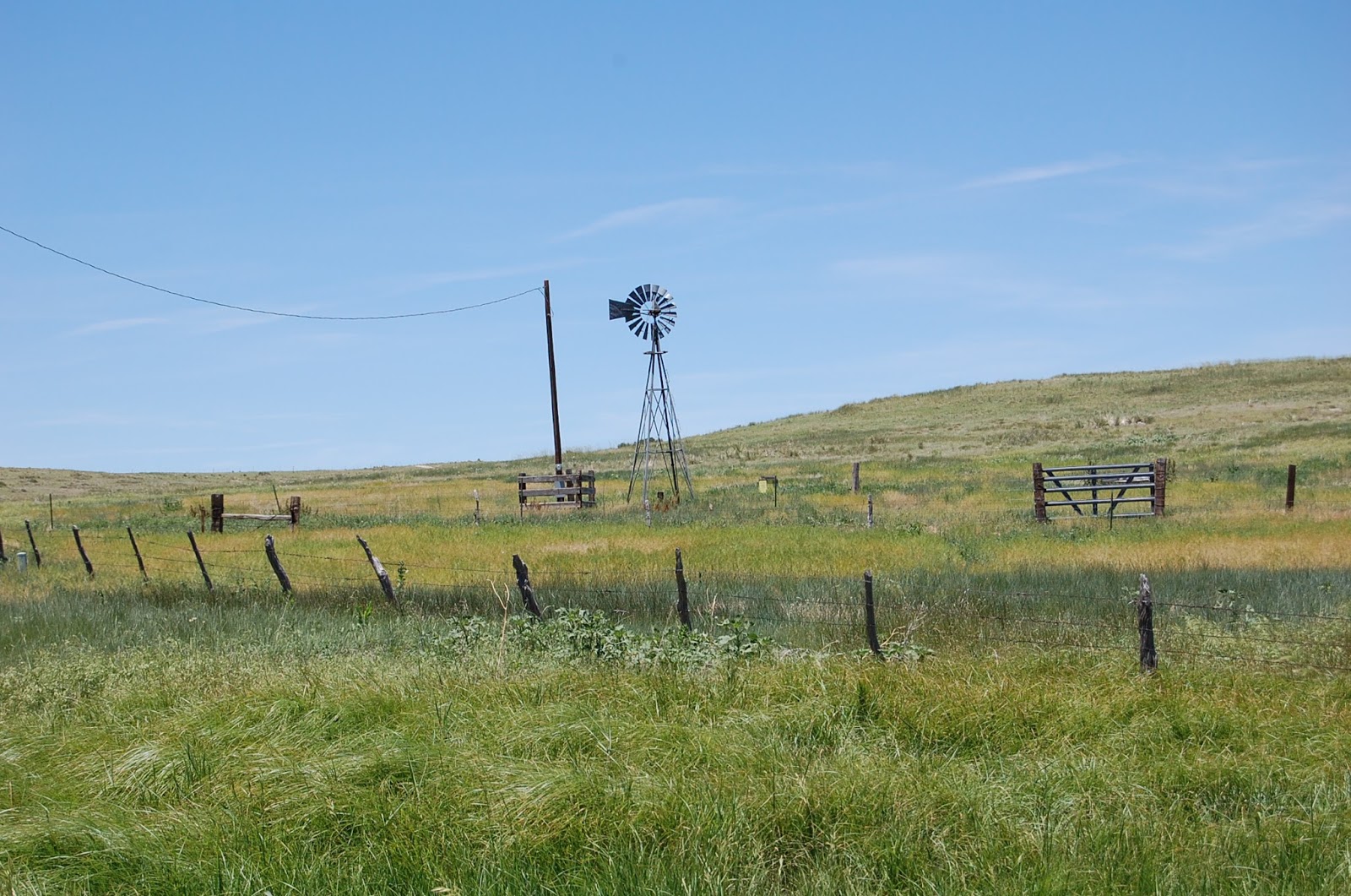
1. Take a trip.  I only suggest that at the beginning because I just returned from a four-day journey that not only re-energized my thinking, but also provided some wonderful and stimulating ideas for a romance I am writing that is set in the 1880's on the grassy  plains of southern Colorado.  At my sister's suggestion we ended up driving along a dirt road through those exact grassy plains. In addition to returning to town with lots of bug bites, I also came away with some wonderfully inspiring ideas for what a character might feel on a summer morning. The trip also had me thinking up new scenes. Now we can't always take a trip to the exact story location, but we can do other things.

2.  Try fresh research.  We may all do research before we start writing a story, but sometimes you have to go back and re-study some of those old notes. Remember why you were putting things a certain way, or look for small tidbits of research that you might have overlooked in your writing and use them. That refreshing of your ideas may spark new thoughts and new directions in your story. If you are writing historical pieces, research can always play as major role. The problem is not to let it get so overwhelming that all you do is research. Sooner or later you need to stop and write that story.

3. Try a new approach.  I usually write off the top of my head without planning what will happen next, but sometimes that can also slow me down. Sometimes it pays to take those few extra moments or hours to sit down with your plot and characters and think about what you want to happen next. Are there scenes that you realize you will need to get to a certain point? Try writing them, or at least try a couple of different story or plot ideas and see if might help get you past this current hung up point.

4.  Try writing in a different genre for a short story or a non-fiction piece of writing. Much as I love writing romance and mystery or suspense I also once enjoyed reading science fiction and horror. A month ago I went to a session on writing horror and found us studying so many of the masters I had once read. It gave me new ideas for possible short stories and I came home and started a science fiction work. It got me back to writing and that was what was important. I may turn the story into a short serialized piece. I have also been working on several non-fiction biographical pieces that help keep the writing flowing.

5.  Try writing sprints. This is something that I have heard work for so many people.  This week I plan to take part in several write-ins with different groups of authors and I may try some writing sprints as we work on our projects.  I want to see how successful that might be. Again, the key is trying something new and something that also helps to keep writing.

Don't let the summer get away from you! We are hitting peak vacation time, but you can also use it to re-energize your writing so that when you come back to doing it full time or part time, you will be ready to go!

Monday, May 22, 2017

5 Tips for Getting Organized

Every time I need to take a break from writing I seem to find myself wanting to get organized. I find myself thinking that next time I'll do a better job of being organized and that will be the answer to everything. I'll get organized, I'll be able to think better. I'll be able to write better, and everything will just all into place.

Well, unfortunately there is no easy answer to getting the muse to work, but I do find that sometimes it pays to do some re-organizing. It can help.  So how do you re-organize yourself?

1. Start with your notes.  Do you keep story ideas written down on small slips of paper? Do you put them into notes on your phone? Do you tuck away story ideas for a later date?  Well, sometimes just organizing those notes and putting them all into one place can bring back an old idea or get you started on a  new project. Put them all into one place and then separate them every so often. You might find several that go together and can send you off in a certain direction.

2. Organize your work space.  I don't know about you but I find myself constantly losing just about everything I need. When you need that information on a certain time period or need to check a certain piece of grammar in your editing, you suddenly can't find the book that might have the answer.  My solution to that is to keep several editing and grammar books right on the desk next to my computer. When I was working in a newsroom, I always had a dictionary handy (in those old days we didn't have handy references built into our typewriters. I still like having the book to look things up.

3. Keep a notepad or notebook to write down things for later.  I keep things in a daily calendar notebook so I can not only see what I need to do today schedule wise but so I can also have it handy to refer back to it later.

4. Use your phone to take pictures. My sister keeps all her notes and projects on her phone.  If she needs to remember an article or even a recipe, she takes a picture of it so she can refer back to it later. I'm not sure that works for me because I would forget I have it, but that can work. Even in your writing it can work well.  For instance, if you're doing research in  a museum take pictures of the displays or even the reference material.

5. Take the time to organize.  Again, whenever things get too crazy,I know I need to just spend a day putting everything back in its place. Next month, things may go crazy again, but for a while I have them in place and know where to find them.  I regularly teach classes and often find myself suddenly needing certain writing books. I may keep them around me for the month of the class, but when it's over they go back on the shelf so they don't clutter things up too badly.

The key to all this is not to let the clutter get so out of hand that the job becomes overly time consuming. When I was working, I often had to share a desk with another news producer. It paid off because at the end of the day I had to clear out all my clutter so I could start fresh the next day. I still often do that at the end of the day or the end of a project.  Keep the clutter in line and you can succeed!

Thursday, April 13, 2017

5 Tips for Beginning Writers

As someone who has been writing novels, short stories and non-fiction for years, I am often asked how to get started or what it takes to write a book. I wish there was an easy answer. Unfortunately the answer is to write, write, and write some more. And then keep writing. But where do you start? Actually the answer to that is to you can start with your story in a variety of different ways. Here are five different things you can do to start working on your story.

1. Start with a simple idea.  This is often where beginners start. They want to write a book about their uncle who was a cowboy, or they have an idea that revolves around an event. But you need more than idea, you will need to think about where you're going with that idea. What will happen to that cowboy or what happens at that summer picnic that is interesting?

2. Come up with characters. NO story is going to be read if it doesn't have characters that grab and hold the reader. Cardboard people are not going to hold anyone's interest.  Write up a character sketch or use a character profile that will allow you to show that character and who she or he is over the course of your plot.

3. Provide a problem for that character. That is where you begin to develop your plot. Do you want your character to solve a murder, take part in a caper, fall in love? What do you want your character to do and from there you can start to work on the plot of your story.

4. Don't forget to add dialogue.  Your characters need to speak.  Just telling the story is not going to be interesting. You need to make certain you are including dialogue in your scenes or you are just telling the story. We want you to show your story, not tell it, and dialogue shows what is happening.

5. Make a plot list so that you see the scenes you have in your story. You need an opening and that can have several scenes, but what happens?  Building a plot list can help you keep your story organized. Now if you don't know where to go after the opening scene, think about what you want your ending to be. Where do you want your characters to end up? Write that down as your last plot point and then start filling in the middle. What else do you know should happen? Keep listing those things until you have a semblance of a plot. You can always change as you go along.


And once you have decided to write a story, then get busy. Start getting scenes, character sketches, ideas down on the written page.  Go back to that original premise. If you want to write a story, you have to WRITE, WRITE, WRITE!


Monday, March 6, 2017

5 Tips for Writing Atmosphere


This weekend I got a wake-up call that is already providing excellent help for the story I am currently editing.  It came in a workshop about writing short stories.  The instructor talked about bringing the setting to life through atmosphere.  I’ve often worked at finding different ways to express setting, to bring it alive for the reader. I use “ambience” as my guide for bringing it life. How does it feel or smell to the reader? What about noise?  That was the thought he put into making it come alive as “atmosphere.”  So how does that work? Here are five tips for providing atmosphere for your readers.

  1. Consider the characters and Point of View. One thing that really hit me as he talked about atmosphere was the different way each character might look at a setting. I remember my thrill the first time I visited New York and the urgency of the city.  I wanted to drink it all in. On the other hand, the first time I took my father to New York, that sense of urgency became a feeling of anxiety. Too much going on—things moving too fast. He was a man of the country and he wanted out of those canyons of tall buildings.  He preferred the feel of the open landscape. 
  2.  Remember the seasons. A cold winter day in New York was very different than when I visited in spring or the heat of summer. The ambience in the cold was a much different feel, not just in temperature, but in the flow of the city, not to mention the variety of smell and increase in exhaust fume. Again that change in sensations is the atmosphere you want to get across.

  3. Don’t forget to feed on all your sensations. To me sound can be just as important as the sights or smells.  The quiet of a summer afternoon on a Colorado prairie is going to be very different than the constant sound of ambulances or police sirens in downtown Denver.


4. Try to see it through your character’s eyes. I mentioned earlier about writing in different Points of View, but remember that a character’s overall view of life will be very different.  Again, going back to my dad – on another trip--this time to the Northwest. He surprised me as we reached the yellowing grass of New Mexico and its wide open plains. We had just driven across country from lush grassy hillsides in Oregon and Washington. But he was happy to see those wide open plains.  He confessed that he had felt claustrophobic in the middle of all those tall, close-in trees. 


5.  Soak in all the sensations and get them into your story. To my dad, that was the other thing about being back close to home. He could smell the grass, he said, and he hadn’t felt that when we were back east where the scents were to him very foreign, whether from cars or even to the damp scent of the forest. He was ready for a quiet evening, looking over the plains and feeling the warm, dry evening breeze.


Characters from different backgrounds will see your story atmosphere and setting differently and that’s one thing you need to remember and bring to life as a writer.    


Monday, February 13, 2017

5 Tips for Fighting Writer's Block


 It happens to all of us who are writers.  Sooner or later we hit the wall with our writing and we suffer through that old , well-known, feared syndrome called “writer’s block.”  We fear it, we try to hide from it, we fight it, but more often we give in to it.
So what do you do when it hits you?  Do you fight it? Do you give in to it? Lots of people say they know when it hits them and they try to shrug it off and get back to their writing.  For others those blank, empty days of staring at the computer screen or playing games or just ignoring the latest work can start to pile up until they fear they will never write again.
When writer’s block visits me, I try not to give in, but with each passing day I don’t write I find the fear that I’ll never write again. That in itself can drive me back to the keyboard to prove that I can still tell a story, whether it’s a fiction work, or just a blog on not being able to write.
Here are some ideas for coping with writer’s block:
  1. Write something – anything – this is something I usually try first. If I find myself unable to face my characters and my latest stories, then I do work on a blog or try writing a lecture for one of my writing classes.  Sometimes by doing that I find new inspiration for the fiction story I am working on. Often when teaching a writing class I find that reading over what some of those other students are doing makes me want to work on my own writing. 

  2. Look over old stories – this is always a good way to get something finished. By reading an old story that I started several months ago, I find myself with new ideas that I hadn’t thought of before – maybe even something that had given me writer’s block and stopped me back when I was working on this story. If there is something that was stopping me in my current story, I can just set it aside and work on those old things and maybe get something done. Usually finishing a work will propel into the next book or story.
  3. Get away from your desk – a change of scenery can be like a breath of fresh air so try writing in some other location. Sometimes just sitting at your desk every day can seem like drudge work. I am a big fan of going to a restaurant or coffee shop with a note book and writing long hand for a while. Then when I go back to my computer and transcribe the pages it spurs me on. Of course I have also been known to take my computer to a library or coffee shop to write. Sometimes the change in scenery and just getting away from the house can spur creativity. 

  4. Try a plotting brainstorming session – I love to do this with friends or a writing group. We will sit and toss story ideas around and I either jot them down or put them into the notes feature of my iphone. That way I have the ideas to refer back to later. I use this especially if I run into a knotty plotting problem that needs extra help. People love to play with story ideas when they don’t have anything invested other than offering their opinion.

  5. Have a dialogue with characters – sometimes I realize that my characters are either not fully formed or I don’t know them as well as I thought I did so they are refusing to take those next plot steps. That can lead to a dead stop to the plot. I just can get that next scene written. Often a little conversation with those characters can pull out a new idea or make  me realize just what is ailing that character. Then after a while I find myself getting back on track.
     
    Sometimes it just takes getting away from things for a while. I will put something down and let it sit. Sooner or later those characters will start yelling and I’ll have to come back and finish their stories.  I’m never sure what stops me from writing, but I know any or all of these things can pull me back. Sooner or later that will lead to THE END getting written!

Monday, February 6, 2017

5 Tips to Creating Characters

Let's focus on Characters!  I absolutely love to create new characters. Creating them from scratch can seem like a daunting prospect, but you don't need to do all the work. Look around! Use what you know and who you know. This is your chance as a writer to make that boyfriend with the small irritations into a perfect man ready for love. Or you can make that awful boss over into the total idiot you think she is and next she is the one who gets killed or fired. All you have to do is exaggerate some of those terrible faults or correct the bad ones. 


Okay, that sounds like such a delightful exercise, but there are other things to consider as you go about making up new characters.  You want them to be lifelike, but what could be easier than looking around you.  Here are five tips for creating characters.


1. Use what or who you know. This is where that boyfriend or boss comes in.  Look at the people around you and by taking their worst or best attributes you can begin to frame a real person. I've never used my mother as a person in a book, but I have used some of her phrases in more than one and I often look to her personality as a basis for characters. I have often thought of her determination and gumption when it comes to creating a strong woman. She was all of 4'11, but when she got something into her mind to make happen, she was going to get it done.


2. Look beyond the obvious.  Don't think that because you show a character one way they can't learn or develop in another.  Again I return to my mother. She was quick to tears so people often underestimated her because of her size and her emotions. They thought she was frail and weak. But like I said, when she made up her mind, she could become an 8 foot wave of power. I use those traits in some of the women in my books.


3. Search for characters wherever you go.  I always try to be aware of my surroundings wherever I am and whatever I am doing, studying everything from people in the crowds to the temperature in summer and winter to the smell of different locations.  Engaging the senses helps me not only bring setting and feeling into a story, but it also helps me as I develop characters. Meeting someone new, I might be aware of their soft voice or their firm handshake. What are they wearing? What about a strange little habit that they might not be aware of, like tapping a finger or whistling under their breath.  Those can all be taken and given to characters somewhere and sometime.


4. Make up characters from people you know.  I am always thinking of new ways to use the people I know in a book, again taking some of those small traits and making them larger than life or taking a trait (like stubbornness) and giving it to a character. In a book I can change that stubborn person to realize how wrong their behavior is. (something I might not be able to teach a person I know)


5. Use your childhood heroes.  As a child in a small town I didn't get to meet people who were larger than life. I often had to make up my own heroes and heroines.  Didn't we all play make believe as children and make up people around us? We can still use some of those made up villains and heroes today as writers. Recently while I was working on a book, I remembered one of the first heroines I ever created as an imaginary friend. I welcomed her back into my life in a book.  I won't say when and where she's appearing, but she's there.


The final tip I would give is to always keep looking.  Every time you meet a new person you might be meeting the next hero or heroine in a story. And if you don't like them, you can always make them always turn them into a villain!  


Need some help with building the characters for your next book?  I'll be teaching a class starting next week at Savvy Authors:  savvyauthors.com or you can also look for my new book on characters available at Amazon.


Tuesday, January 24, 2017

5 Tips for Revising

No matter how much you love writing creatively sooner or later you are going to have to put in some time revising or editing your work.  Sitting down at the keyboard or with pad and pen can be so freeing if you just let go and write.  But you can't get something published if you don't go back and do some editing.


That can get downright boring!


I don't know how many times I've heard people say how much they love the writing part but how much they hate to edit.  Writing sets them free. Editing makes them work.  So how can we make it work better for us?  Here are some suggestions:


1. Start at the end.  That may sound self defeating. After all we probably wrote that last. Why should we want to go back and work on what we just finished? Well, how did you feel when you finished? Relieved? Happy? Ready to go celebrate?  Are you sure you did the best possible job or were you just on a roll and wanted to get it done. By going back and editing it (and you can re-edit again later) you will do two things. You will remind yourself of any little thing that you might need to fix during the book so that the ending makes sense and you can see it this time from a non-judgmental viewpoint. Look to make certain the ending is just what you want it to be.


2. Go back over notes on things you might have made during your writing. Make certain that you have those big things written down that you knew you will have to watch for and fix. Were there any things that you kept saying during the writing that you needed to fix later? Write those down now before you begin to edit.


3. Write down the things that you know are your crutches.  You know those words that you find yourself using over and over again? Write them down now before you tackle your revisions so that you can watch for them. Sometimes I use "just" too much so I always make certain I am ready to look for that as I revise.  Write down any of your pet phrases so you can watch for them. You might even put in a search and go through the manuscript looking for them first, before you start to edit.


4. Give yourself a reasonable working goal. Don't think you are going to do it all at once. Maybe go back and edit a chapter or two that you knew was a problem chapter and try re-writing that before you tackle the entire manuscript. Sometimes working on little bits and pieces can be a lot easier than having the whole thing to deal with later.


5. Now start at the beginning! Go through a chapter at a time and then go through it again before you move on. Look over your notes from before and make any new notes that you might want to look for in later chapters.


Before you begin that final edit, one final thing -- let the manuscript sit for at least a couple of weeks. Sometimes waiting for a while can give you a whole new perspective when you make that final edit.

Monday, January 9, 2017

5 Tips for Starting out Fresh


Every year I promise myself that I will write more this year. I am not certain if I do write more, but I know that one way or another I will be starting new projects and finishing old ones before the year is out. I will not stop and that is half the battle.

So how do we get started with fresh material and fresh ideas to start out the new year?   Well, here are some easy ideas that can help with your writing. Take a class, try a new hobby, take a trip. Look for something new to start on. Let’s examine some of those tips for getting that fresh start for 2017:

  1. Look for something new to do. One thing that has caught my interest as the year closed on 2016 was writing science fiction. Oh, I’ve had the idea in the past, but this year I am going to try it. Why not? Look around at the genre you are working in. Is it growing a little stale? Have you been considering another one? Why not try it now in the new year? Play with a short story if you can’t commit to something long. Or if you haven’t written a short story in a while, do that instead of a longer tale.
  2. Take a class.  I always recommend classes when people are stuck with their writing. A different perspective on your work and a different way to look at an old topic can get the creative juices flowing again. I am always on the look out for new classes to take or something new to learn. Keeping my mind active is a good way to keep young. I am not taking a class this month, but I am teaching one on plotting and I’ve already come up with some new ideas from the students who will be in my class.  
  3. Take a trip.  I spent more time travelling last year than I had in the past. I never go far (well, I did go to Canada) but even short trips can be fun and exciting. In several weeks I’ll be boarding the train for a trip through the mountains in winter. I haven’t done that before and I’m really looking forward to it. The trip will not only give me beautiful views of the Colorado’s snow covered peaks in winter, but I bet I’ll meet some fun people to talk to. I always seem to find some great story ideas on the train.
  4. Try a new method of researching.  One story I began working on last year required historical research and I found myself so involved in it that this past weekend I started off the new year at the library with an in depth look at the research department. I already came away with some new leads (and some new research books) that will help me get that story finished.
  5. Try a new approach.  I usually write down my accomplishments from last year and set goals for the new year. This time around I am going to look at different methods of getting my writing output increased.
     
    So look around you. What do you need to do to get more done in the new year? A new schedule, a new way of editing--what didn’t you do last year? Are there things you wanted to do that you put off?  I’ve declared 2017 as the year of finishing things. And that’ just what I hope I’ll be applauding at the end of the year.

Writing in the New Year

Every year don’t we all as writers make promises to ourselves to write more in the New Year? This will be the year when we get another book ...